Exploring the Textured World of TetroFlunk Wallpaper Vol.17
When you're deep in a creative project, the right background isn't just a placeholder; it's the foundation. It sets the mood, adds depth, and can make or break the final piece. This is where a versatile design asset like the TetroFlunk Wallpaper Vol.17 | Collection comes into play. It's not a font, but a curated set of 18 digital papers that offer a distinct aesthetic: vibrant color meets gritty, layered texture. Think of it as a toolbox for adding instant character and a touch of analog warmth to your digital or physical creations.
Anatomy of the Collection: More Than Just Paper
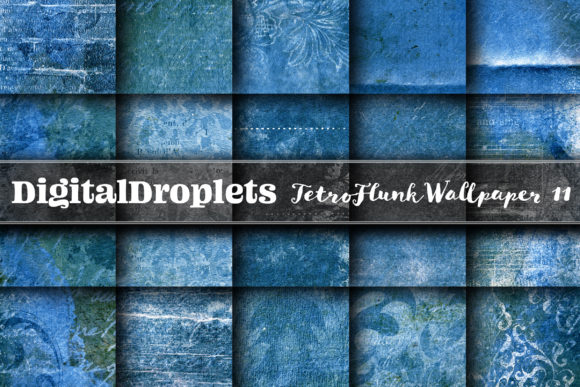
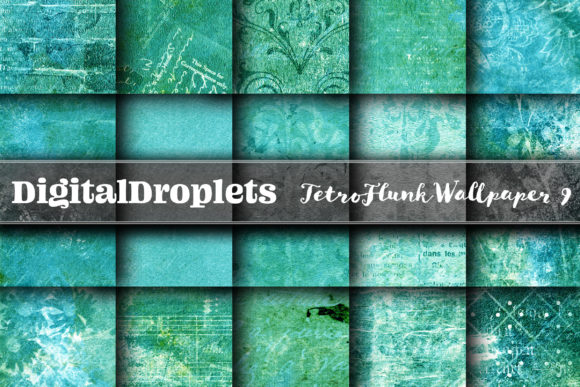
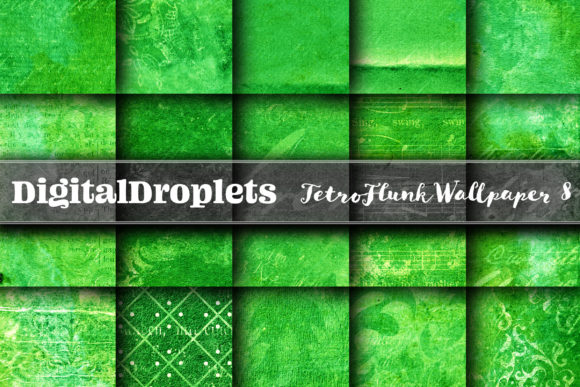
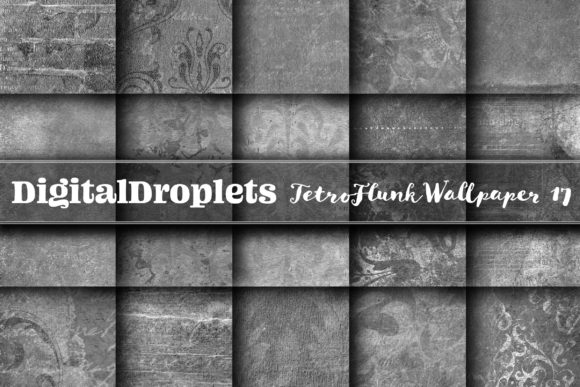
At its core, the TetroFlunk Wallpaper Vol.17 | Collection is a set of 12x12, 300dpi JPEG files. But describing it that way is like calling a vintage leather journal "bound paper." The true value lies in the visual personality each sheet carries. These are not clean, minimalist backgrounds. Each of the 18 pages is a unique composition, built from a base of saturated, sometimes unexpected, color palettes. Over this foundation, you'll find layers of grungy textures—subtle noise, distressed edges, and weathered effects that give the surface a tactile, almost tangible quality.
The "wallpaper" moniker is fitting, as many designs incorporate patterns reminiscent of vintage wallpaper or textile prints. But the twist comes from the overlaid script, handwriting, and abstract marks. This fusion creates a style that is both decorative and intellectually engaging, hinting at stories, notes, and hidden layers. It's a modern take on the scrapbook aesthetic, perfect for projects that need to feel handcrafted, curated, and full of narrative potential. The overall appeal lies in this complexity; it provides a rich visual field that can stand on its own or serve as a compelling backdrop for other elements.
Practical Applications: Where These Backgrounds Shine
The strength of the TetroFlunk Wallpaper Vol.17 | Collection is its versatility across a wide spectrum of projects. For designers and entrepreneurs, these papers are a secret weapon for creating cohesive brand collateral with depth. Imagine using one as the background for a social media graphic—it instantly adds texture and stops the scroll. Layer your logo, a headline in a clean sans serif font, and a call-to-action, and you have a post that feels intentional and professional without being sterile.
In the realm of editorial design and packaging, these backgrounds can evoke specific moods. A food blogger could use a warmer, script-heavy paper for a recipe post backdrop, lending a cozy, handwritten feel. A publisher of indie magazines or zines might employ them for feature layouts, using the patterns to create dynamic visual hierarchies where text and images pop against the textured ground. For physical products, they are ideal for creating mockups of planner stickers, gift wrap, or washi tape, giving those items an authentic, designed look right out of the box.
Crafters and hobbyists will find endless uses. The collection is a perfect digital asset for junk journaling, providing unique pages that look and feel like they were found in a vintage market. For scrapbookers, it solves the eternal problem of finding backgrounds that are interesting but don't overwhelm your photos. The grungy texture helps ground your memories, adding a layer of nostalgia. They are equally effective for creating custom cards, tags, and envelopes, ensuring your handmade correspondence has a distinctive, professional flair.
Working With the Asset: A Designer's Perspective
Integrating a design asset like this effectively requires a bit of strategy. First, consider the project's overall tone. The vibrant yet grungy style of TetroFlunk Vol.17 leans towards creative, artistic, and personalized contexts. It may not be the best fit for a corporate law firm's website, but it could be perfect for a boutique marketing agency's portfolio or an artist's online shop.
Next, think about visual hierarchy and readability. Because these backgrounds are detailed, any text placed on top needs strong contrast. This is where font pairing becomes critical. Avoid overly ornate script or handwritten fonts that might get lost in the texture. Instead, opt for clean, bold typefaces—a sturdy sans serif for headlines or a classic serif for body copy—to ensure your message is clear. Use the background's inherent structure to guide the viewer's eye; sometimes, placing text in a slightly less busy area of the pattern can improve legibility.
Finally, always test. Before committing to a final design, lay out your text, images, and other graphic elements over a few different papers from the set. See how the colors interact, how the texture affects the perceived weight of your typography, and whether the overall composition feels balanced. The goal is to use the background to enhance your work, not compete with it. By treating the TetroFlunk Wallpaper Vol.17 | Collection as a versatile component of your broader design system, you can unlock its full potential to add sophistication, character, and a memorable visual story to your projects.