Mushroom Vol.7 | Collection: A Vintage Botanical Paper Set
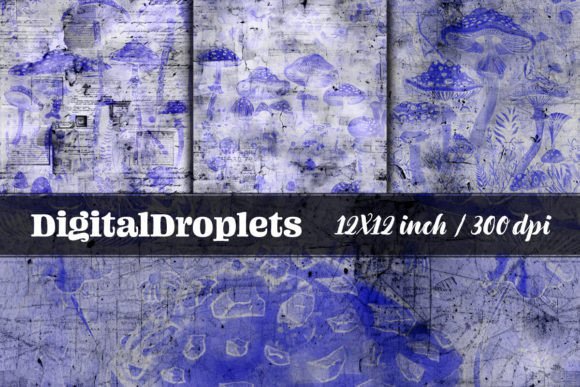
The digital design world is saturated with crisp vectors and sterile gradients, but there's a growing demand for textures that tell a story. The Mushroom Vol.7 | Collection answers this call with a distinct set of 20 papers that blend the intricate beauty of mycology with the patina of history. This isn't just a set of digital backgrounds; it's a curated library of atmosphere. Each 12x12 inch, 300dpi JPEG file features detailed mushroom illustrations superimposed on old paper backgrounds, creating a layered, tactile effect that feels both organic and antique.
The Visual Character: Where Science Meets Scrapbook
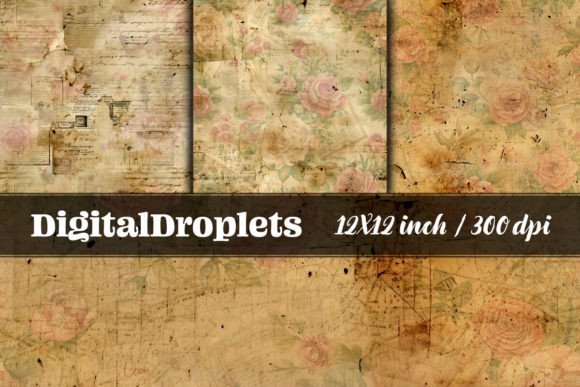
What sets this collection apart is its specific personality. It avoids the cartoonish or overly fantastical, instead leaning into a vintage botanical illustration style. Think of the detailed engravings found in 19th-century field guides. The mushrooms are rendered with fine lines and subtle shading, giving them a scientific yet artistic quality. The underlying "old paper" isn't a uniform beige; it's a textured canvas with subtle stains, foxing, and fiber variations that suggest age and use. This combination creates a design asset that feels authentic, warm, and inherently nostalgic.
The overall appeal is one of quiet sophistication and earthy charm. It’s a collection that speaks to a love of nature, history, and the handmade. The color palettes are muted and natural—ochres, browns, soft greens, and off-whites—making them incredibly versatile as backgrounds that won’t compete with foreground elements. For a designer, this means you get instant depth and character without needing to layer multiple textures yourself. It’s a practical shortcut to achieving a rich, curated aesthetic.
Practical Applications for Modern Creators
The true value of any design asset lies in its flexibility. The Mushroom Vol.7 | Collection is engineered for cross-project utility. Its high resolution and square format make it a powerhouse for both print and digital projects. Here’s where it truly shines:
- Scrapbooking & Junk Journals: This is its native habitat. Use these papers as full-page backgrounds to ground photos, ephemera, and handwritten notes. The vintage feel automatically unifies disparate elements into a cohesive narrative.
- Card Making & Invitations: For greeting cards, especially for occasions like weddings, birthdays, or thank-yous with a rustic or nature theme, these papers provide a stunning base. Layer a simple serif font or script font for typography, and you have a professional-grade card in minutes.
- Digital & Social Media Content: Use them as backgrounds for Instagram posts, Pinterest pins, or blog headers to establish a consistent, earthy brand identity. They work exceptionally well for wellness brands, bookstagrammers, indie authors, or any creator looking to add warmth to their feed.
- Packaging & Product Mockups: Imagine these patterns as wrapping paper for a small artisan product, or as the background for a flat-lay photo of a journal or candle. They add instant shelf appeal and a perception of handcrafted quality.
- Washi Tape & Planner Stickers: For the planner community, these can be printed on sticker paper and cut into strips, shapes, or functional stickers to decorate layouts with a cohesive, whimsical touch.
Integrating the Collection into Your Workflow
Adopting a new set of assets requires a bit of strategy. Here’s how to get the most out of the Mushroom Vol.7 | Collection.
Evaluate the Project Fit: Before you dive in, ask if the project’s tone aligns with the collection’s vintage, organic personality. It’s a perfect match for brands or projects related to nature, gardening, literature, history, cozy living, or artisanal crafts. It might feel out of place in a sleek, ultra-modern tech startup’s branding, but could be a genius contrast for a web design element or a limited-edition product launch.
Master the Pairing: The papers are detailed, so your typography and graphic elements need to balance them. A clean, modern sans serif font can create a striking contemporary contrast, letting the vintage background pop. Alternatively, a classic serif font like Garamond or a refined handwritten font can lean into the traditional aesthetic. Always test readability by placing your text on the paper in your design software—adjust color, size, and add a subtle drop shadow or a semi-transparent shape behind the text if needed.
Think Beyond the Background: Don’t just use these as flat backgrounds. In editorial design or a scrapbook page, consider using them as accent elements. Cut out a mushroom motif from one paper and layer it over another. Use a strip as a washi tape element. Frame a photo with a torn-edge piece of the paper. This kind of creative use elevates your work from template-based to truly bespoke.
Licensing and Commercial Use: Always review the specific license included with your purchase. Most premium font and asset shops offer licenses that cover a wide range of commercial uses, from selling printed cards to using them in client work and digital products. Understanding these terms ensures you can use the Mushroom Vol.7 | Collection confidently in your professional projects, whether you're a freelance designer, a small business owner, or a content creator monetizing your work.
In a landscape crowded with flat, generic textures, the Mushroom Vol.7 | Collection offers a thoughtful, detailed alternative. It provides not just a pattern, but a mood—a bridge between the natural world and the creative process. For the designer, crafter, or entrepreneur seeking to infuse their work with depth, story, and a touch of timeless elegance, this set is more than a download; it’s a foundational tool for building richer visual narratives.