Peeled Vintage Flowers Vol.11: A Designer's Guide
There’s a particular kind of beauty found in the layering of time. It’s the visual story of a beloved book cover left in the sun, or the wall of an old conservatory where paint has gracefully yielded to the elements. This is the essence captured in the Peeled Vintage Flowers Vol.11 collection. It’s not just a set of digital papers; it’s a curated atmosphere, a tangible feeling of faded elegance and organic history ready to be incorporated into your next project.
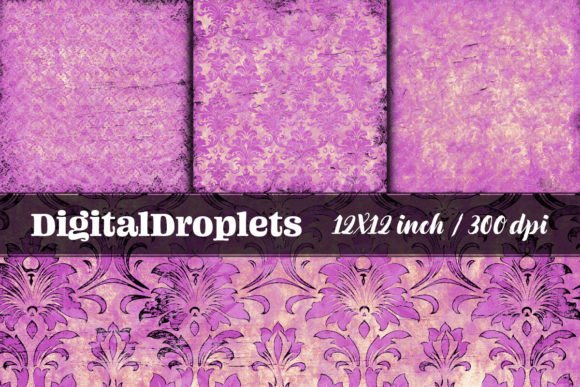
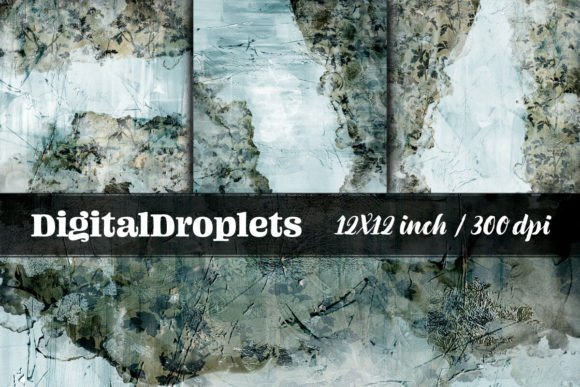
This collection, part of the broader Floral Books series, offers a distinct aesthetic that stands apart from generic floral patterns. The visual personality is one of sophisticated imperfection. You won’t find sharp, pristine graphics here. Instead, you get the subtle ghost of a floral pattern, almost like a watermark, laid over textures that mimic the peeled paint of a weathered surface or the soft, uneven grain of aged paper. The color palette is inherently muted and earthy, providing a versatile foundation that feels both nostalgic and contemporary. It’s a creative font in paper form—full of character, ready to tell a story without saying a word.
The Art of Imperfection: Visual Character and Appeal
The true strength of Peeled Vintage Flowers Vol.11 lies in its nuanced texture. The "peeled" effect is expertly rendered, creating areas of high and low texture that catch the eye and add immense depth. This isn't a flat, repeating pattern; it’s a dynamic surface. The faint floral overlays are delicate, often using a single color that has been weathered and softened, preventing them from overwhelming a design. This balance is crucial. It allows the papers to function as a rich, tactile background that supports other design elements—be it a crisp serif font for body text, a bold sans serif font for a headline, or a flowing script font for an accent.
For a designer, this kind of asset is gold. It provides instant visual hierarchy and mood. Laying a product mockup on one of these textures immediately grounds it in a narrative of authenticity and craftsmanship. The texture does the heavy lifting of establishing a brand identity that values history, artisan quality, and a touch of romantic decay. It’s perfect for brands in the lifestyle, wedding, stationery, or handmade goods spaces that want to evoke a sense of timeless charm rather than sterile modernity.
Practical Applications: Beyond the Scrapbook Page
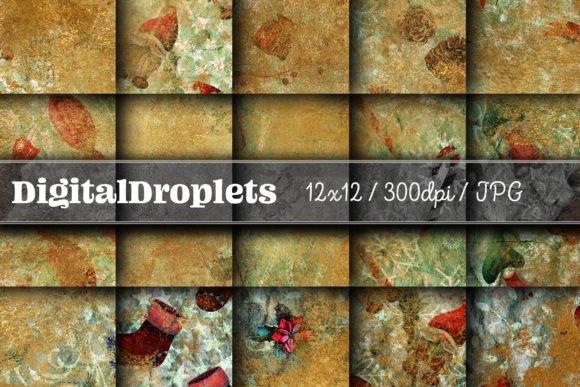
While the collection is marketed for scrapbooking and junk journals, its utility spans far wider. Think of these 20 high-resolution JPEGs as a toolkit for creating bespoke design assets. Here’s where they truly shine:
- Brand Collateral & Packaging: Use these as backgrounds for business cards, letterheads, or product tags. For a small-batch candle maker or a boutique tea company, this texture instantly communicates the artisanal nature of the product. It’s a premium font equivalent in the world of textures.
- Digital & Social Media: Create stunning social media graphics that stop the scroll. A quote overlaid on a peeled floral texture feels more heartfelt and designed than one on a solid color. Use them for Instagram story backgrounds, Facebook cover photos, or Pinterest pin templates.
- Publishing & Editorial Design: In editorial design, these papers can serve as chapter title pages, section dividers in a magazine, or the endpapers of a self-published book. They add a tactile, collectible feel to digital and print layouts.
- Invitations & Personal Projects: Elevate wedding suites, party invitations, or personal stationery. The textures pair beautifully with elegant typography, creating a cohesive and memorable brand identity for an event.
Integrating Texture with Type: A Designer's Approach
Using such a strong textural element requires a thoughtful approach to typography to maintain readability and visual harmony. The key is contrast and intentionality.
- Establish Clear Hierarchy: Use the textured paper for your primary visual plane. Place your most critical text elements—like a business name or headline—in areas of the texture that are slightly more uniform or lighter. A clean, bold sans serif font or a sturdy serif font will hold up best against the complex background.
- Choose Complementary Typefaces: The organic, historical feel of the paper pairs exceptionally well with certain typeface families. Consider a classic serif font for a timeless look, a delicate handwritten font for a personal touch, or a geometric sans serif font for a striking contrast between modern form and vintage texture. Avoid overly ornate or busy script fonts for body text, as they can become lost.
- Embrace Negative Space: Don’t feel compelled to cover every inch of the beautiful texture. Allow the peeled paint and faint florals to breathe. This not only improves readability but also draws more attention to the texture itself as a deliberate design element.
- Test for Versatility: Before finalizing, test your design at various sizes. Does the text remain legible when scaled down for a mobile screen or a small product tag? The high 300dpi resolution of the included files ensures they will perform well in both digital and high-quality print applications.
The Peeled Vintage Flowers Vol.11 collection is more than just a decorative set. It’s a strategic tool for building a visual language rich with story and texture. By understanding its inherent personality and applying it with typographic wisdom, you can create work that feels both deeply authentic and professionally polished. It’s an invitation to design with layers—both literally and figuratively.